India
 Africa
 Americas
 Europe
 Middle East
ACP Sheets for Hospitals, Airports & Educational Buildings: Benefits Explained
- Home
- /
- Blog
- /
- ACP Sheets for Hospitals, Airports & Educational Buildings
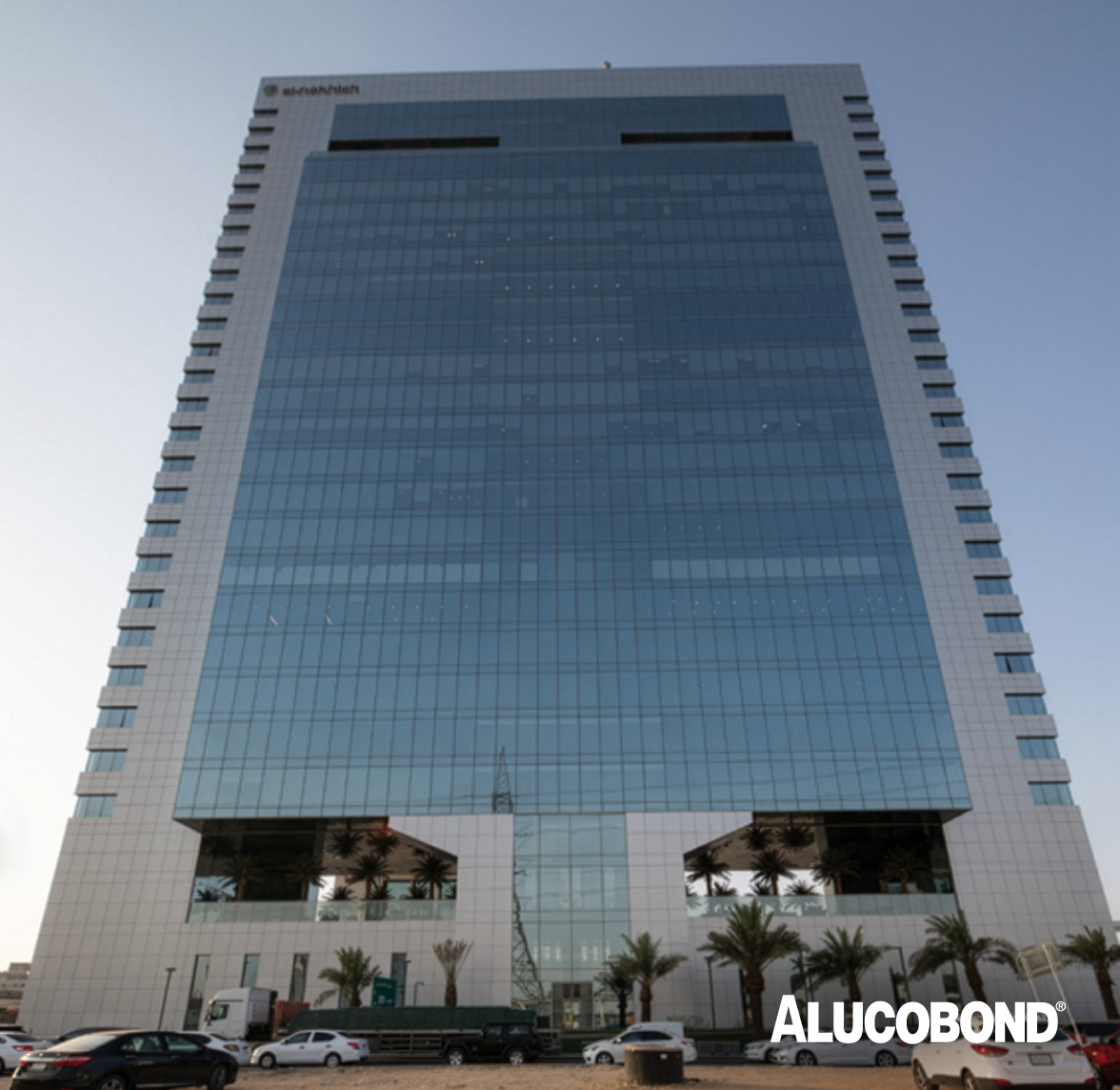
Modern institutional buildings need facades that do more than create a strong first impression. Hospitals, airports and educational buildings operate in demanding environments where durability, safety, design flexibility and long-term performance are all important.
This is where ACP sheets for commercial buildings and institutional projects offer a practical facade solution. Aluminium Composite Panels (ACP) combine lightweight construction with rigidity, weather resistance and a broad range of colours and finishes, allowing architects to create contemporary building envelopes while addressing functional requirements.
From healthcare facilities and airport terminals to universities and research institutions, ACP cladding can support both the practical and architectural requirements of large-scale buildings.
Why Choose ACP Sheets for Institutional Buildings?
The facade is one of the most exposed parts of a building. It must withstand weather, pollution and temperature variations while maintaining its appearance and allowing for practical maintenance.
ACP offers several advantages for such applications:
- Lightweight and rigid: ACP offers a high strength-to-weight ratio, helping reduce the load on the building structure while making panels comparatively easy to handle and install.
- Design flexibility: A wide range of colours, textures and finishes gives architects greater freedom to develop distinctive facade concepts.
- Weather resistance: Quality ACP systems are designed to withstand exposure to rain, humidity, UV radiation and pollution.
- Durability: A well-designed and correctly installed ACP facade can provide long-term performance with comparatively low maintenance.
- Fire-performance options: For projects with stringent fire-safety requirements, fire-retardant and non-combustible ACP solutions are available.
- Large-format applications: ACP can be used to create clean, continuous facade surfaces and contemporary architectural forms.
ACP Sheets for Hospitals: Supporting Safe and Durable Facades
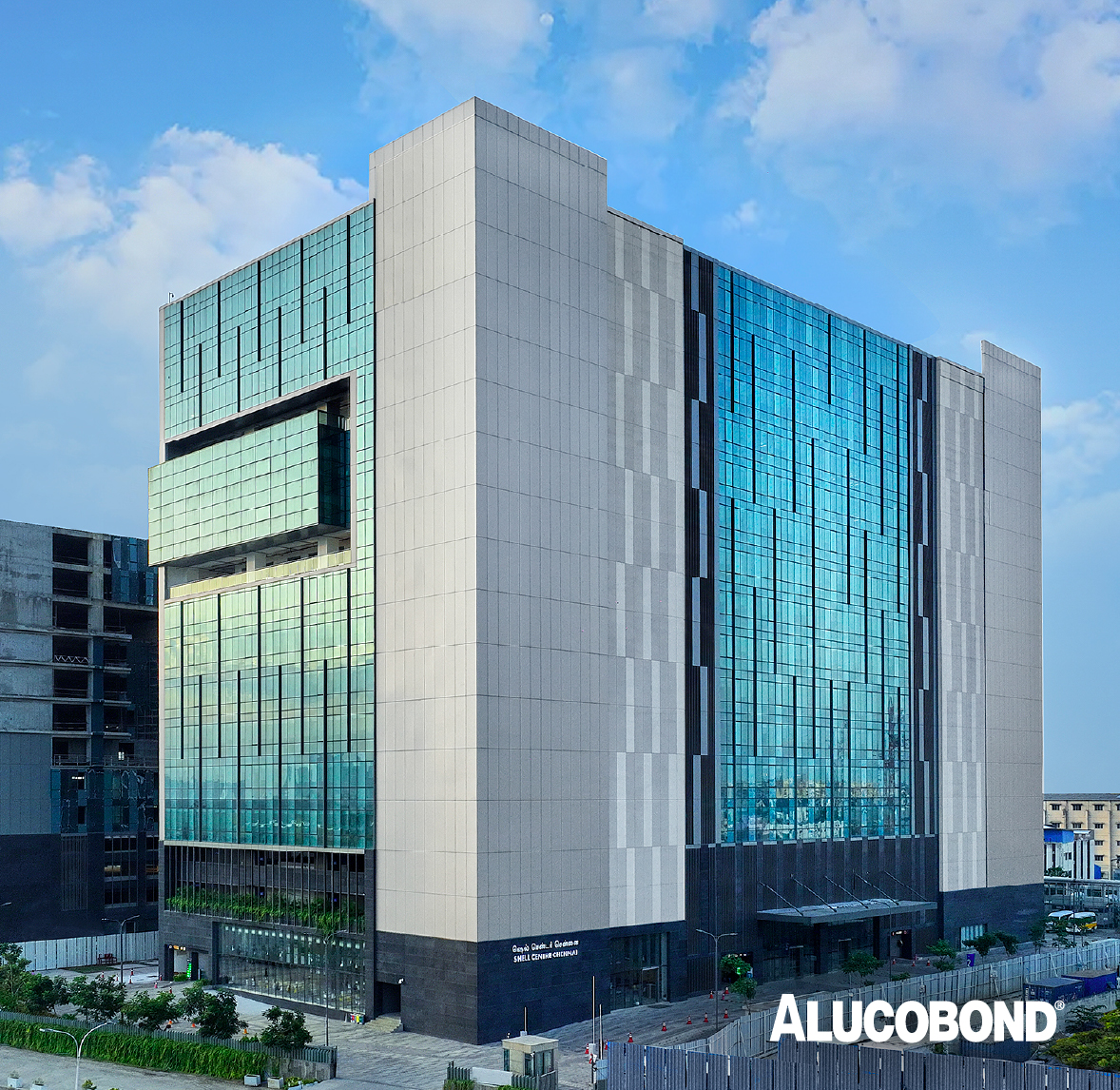
Hospitals are high-occupancy buildings that remain operational around the clock. Their facades therefore need to balance architectural aesthetics with durability, weather protection and appropriate fire performance.
Fire Performance Matters
Fire safety is a key consideration when selecting facade materials for healthcare buildings. Depending on the project requirements, architects and facade consultants can consider fire-retardant or non-combustible ACP solutions.
ALUCOBOND® PLUS incorporates a mineral-filled fire-retardant core and has been developed for stringent fire regulations in architecture. ALUCOBOND® A2 provides a non-combustible solution for applications where this level of fire performance is required.
The correct product should always be selected based on the building design, applicable regulations and the performance requirements of the complete facade system.
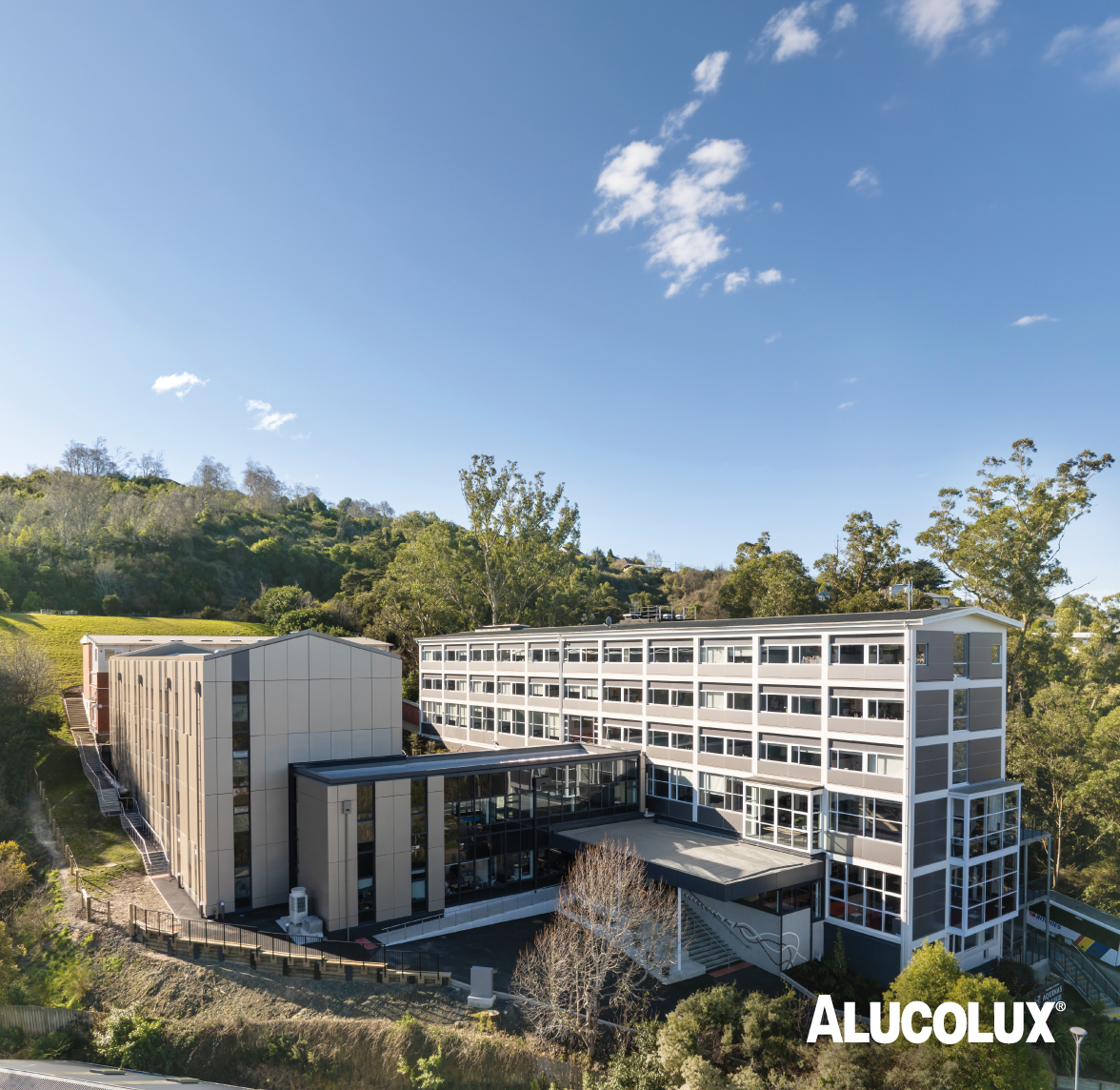
Durability for Demanding Environments
Hospital facades are exposed to changing weather conditions, humidity and urban pollution. ACP can provide a durable external skin while giving architects the flexibility to create clean, modern elevations.
Rear-ventilated facade systems can further help protect the building envelope from weathering and moisture while reducing heat transmission through the facade.
ACP Sheets for Airports: Performance Meets Architectural Identity
Airports are among the most visually prominent and heavily used infrastructure projects. Their facades need to accommodate large areas, complex architectural forms and high levels of public occupancy while creating a recognisable identity.
ACP is particularly suited to airport cladding because of its combination of low weight, rigidity, design flexibility and availability in fire-performance options.
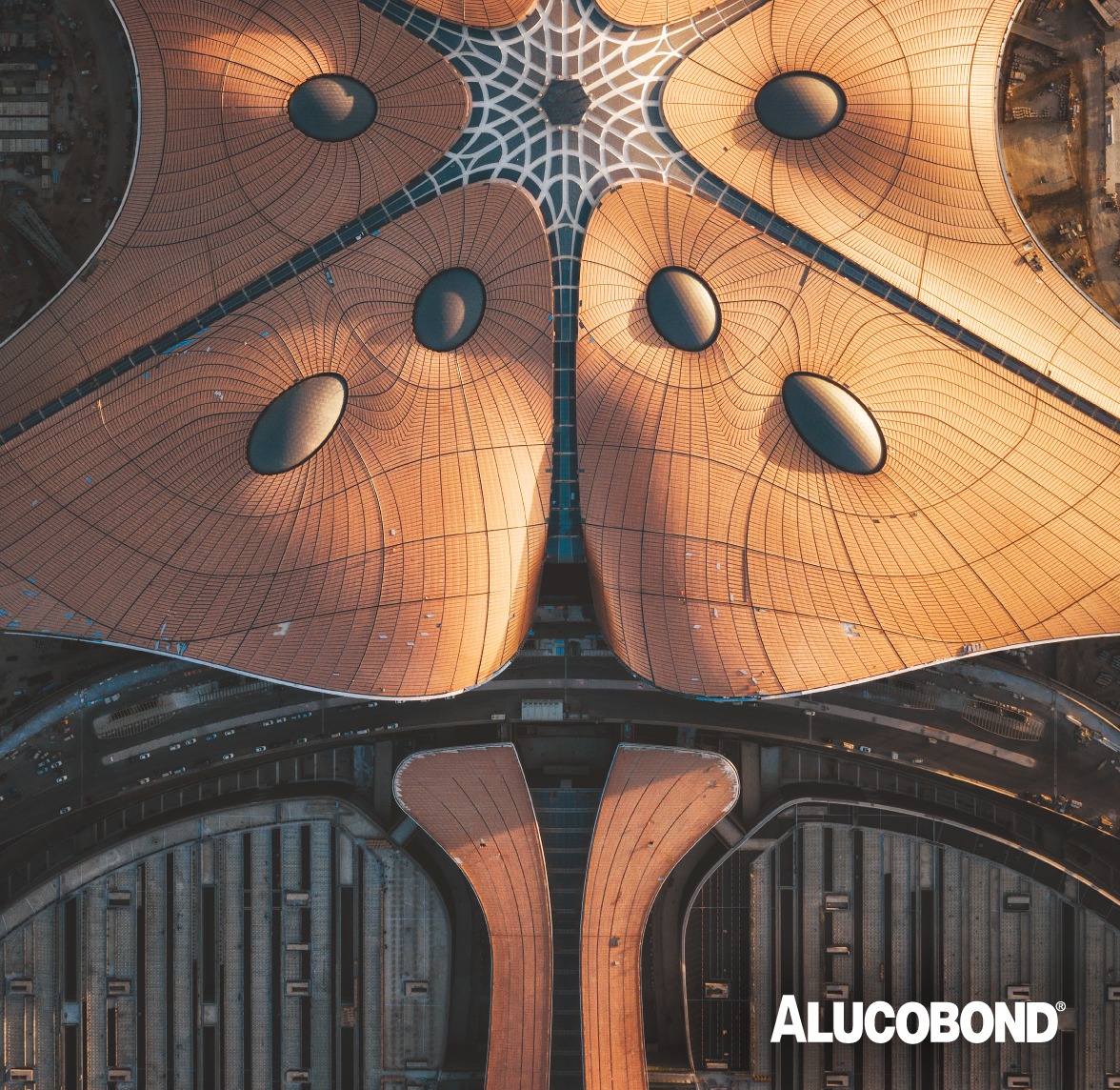
Large-Scale Design Flexibility
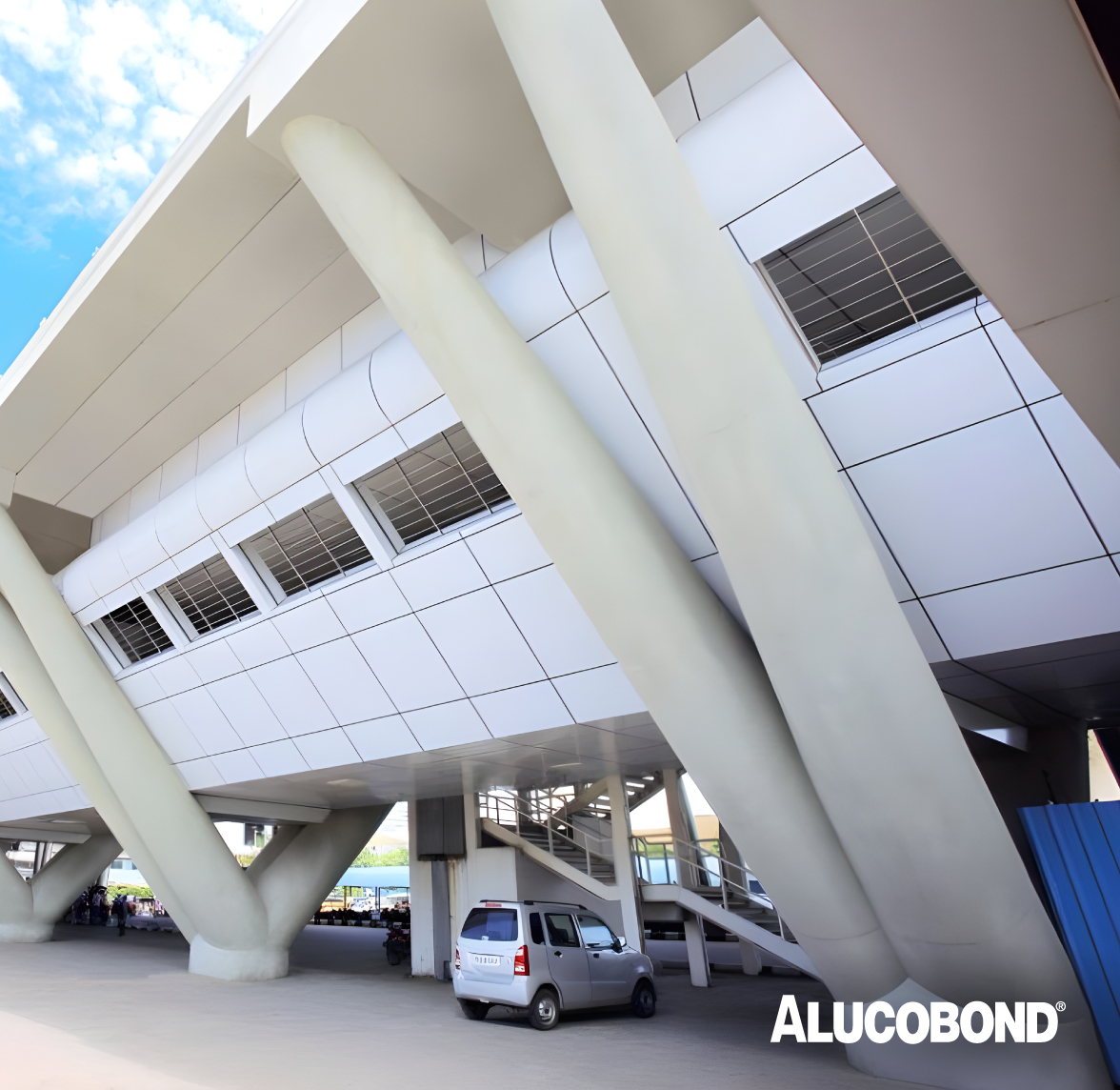
Airport terminals often use expansive facade surfaces, distinctive entrances and large architectural forms. ACP panels can be processed into different shapes and configurations, allowing architects to develop clean lines, curves and customised facade elements.
The availability of solid, metallic, anodised-look and other finishes also allows the external facade to become an important part of the airport's visual identity.
Built for Weather Exposure
Airport buildings can be exposed to intense sunlight, rain, humidity, wind and urban pollution. ACP facade systems can provide an external protective layer while maintaining the desired architectural appearance.
With appropriate facade design and installation, rear-ventilated systems can also support moisture management and reduce heat transmission through the building envelope.
ACP Sheets for Educational Buildings: Creating Modern Learning Environments
Educational campuses are evolving beyond conventional institutional architecture. Universities, colleges, schools and research facilities increasingly use contemporary facades to create welcoming, distinctive and future-ready environments.
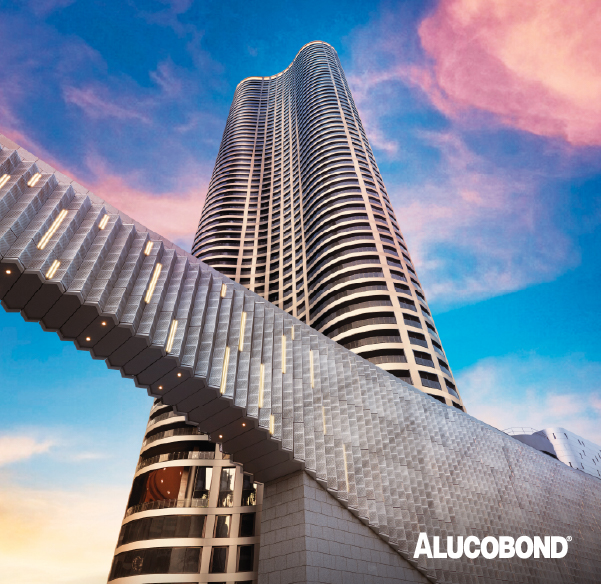
For educational building design, ACP gives architects the freedom to combine colours, textures and forms across academic blocks, libraries, laboratories, auditoriums and other campus facilities.
ALUCOBOND® panels have been used across prominent Indian educational projects, including IIT campuses.
A Balance of Design and Performance
Educational buildings experience high daily occupancy and regular use. A durable facade can help maintain the building's appearance over time while reducing the need for frequent intervention.
ACP's lightweight construction can simplify handling and installation, while its formability allows architects to introduce distinctive architectural elements without relying solely on heavier facade materials.
For projects requiring enhanced fire performance, solutions such as ALUCOBOND® PLUS and ALUCOBOND® A2 can be evaluated according to the project's specific requirements.
The Role of Rear-Ventilated ACP Facades
For large institutional projects, facade performance depends not only on the panel but also on the overall facade system.
A rear-ventilated facade creates an air cavity between the external ACP panels and the wall or insulation. This arrangement can help manage moisture, reduce heat transmission and protect the building structure from changing external conditions.
The ALUCOBOND® reference content highlights benefits including improved thermal performance, moisture management, durability and protection from weathering and environmental pollution.
This makes system design, detailing, fixing and installation just as important as selecting the right panel.
Choosing the Right ACP for the Project
There is no single ACP solution for every building. The appropriate material should be selected after considering:
- Building height and location
- Fire-performance requirements
- Local climatic conditions
- Facade design and geometry
- Installation and fixing system
- Maintenance requirements
- Applicable building codes and standards
For demanding public and institutional buildings, product selection should therefore be based on the performance requirements of the complete facade system, rather than appearance alone.
Conclusion
Hospitals, airports and educational buildings require facade solutions that combine performance, safety, durability and architectural freedom. ACP sheets can provide a lightweight and versatile building envelope that supports contemporary facade design while addressing practical requirements.
From healthcare facilities and airport terminals to university campuses, ACP offers architects the flexibility to create distinctive building exteriors with a wide choice of finishes and configurations.
With its experience across airports, educational institutions and major infrastructure projects, ALUCOBOND® provides ACP solutions designed to bring together architectural expression and facade performance. Its portfolio includes fire-retardant ALUCOBOND® PLUS and non-combustible ALUCOBOND® A2 for projects where enhanced fire performance is required.
For architects, developers and facade consultants looking for a versatile solution for institutional architecture, the right ACP system can help create buildings that are designed not only to stand out, but also to perform over time.