India
India Africa
 Americas
 Europe
 Middle East
ALUCOLUX® Brochure
Download our new ALUCOLUX® Brochure as PDF file.
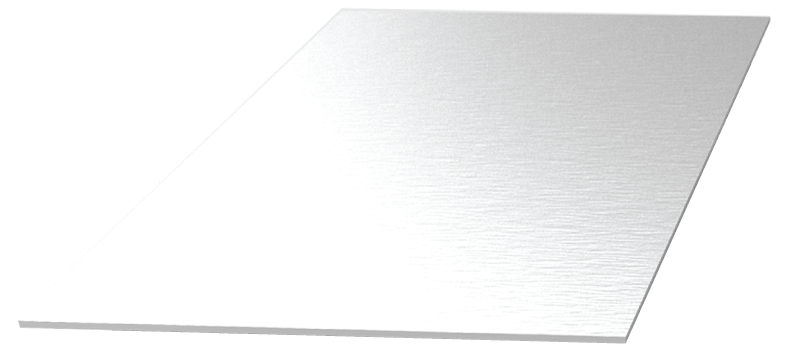
ALUCOLUX® is a coil-coated solid aluminium panels widely used for architectural cladding worldwide.
ALUCOLUX® features a multi-coat, multi-bake process on a continuous coil coating line using the highest grade of PVDF/FEVE paint system. This process not only ensures the colour consistency of aluminium panels but also long-term durability and renders them non-combustible.
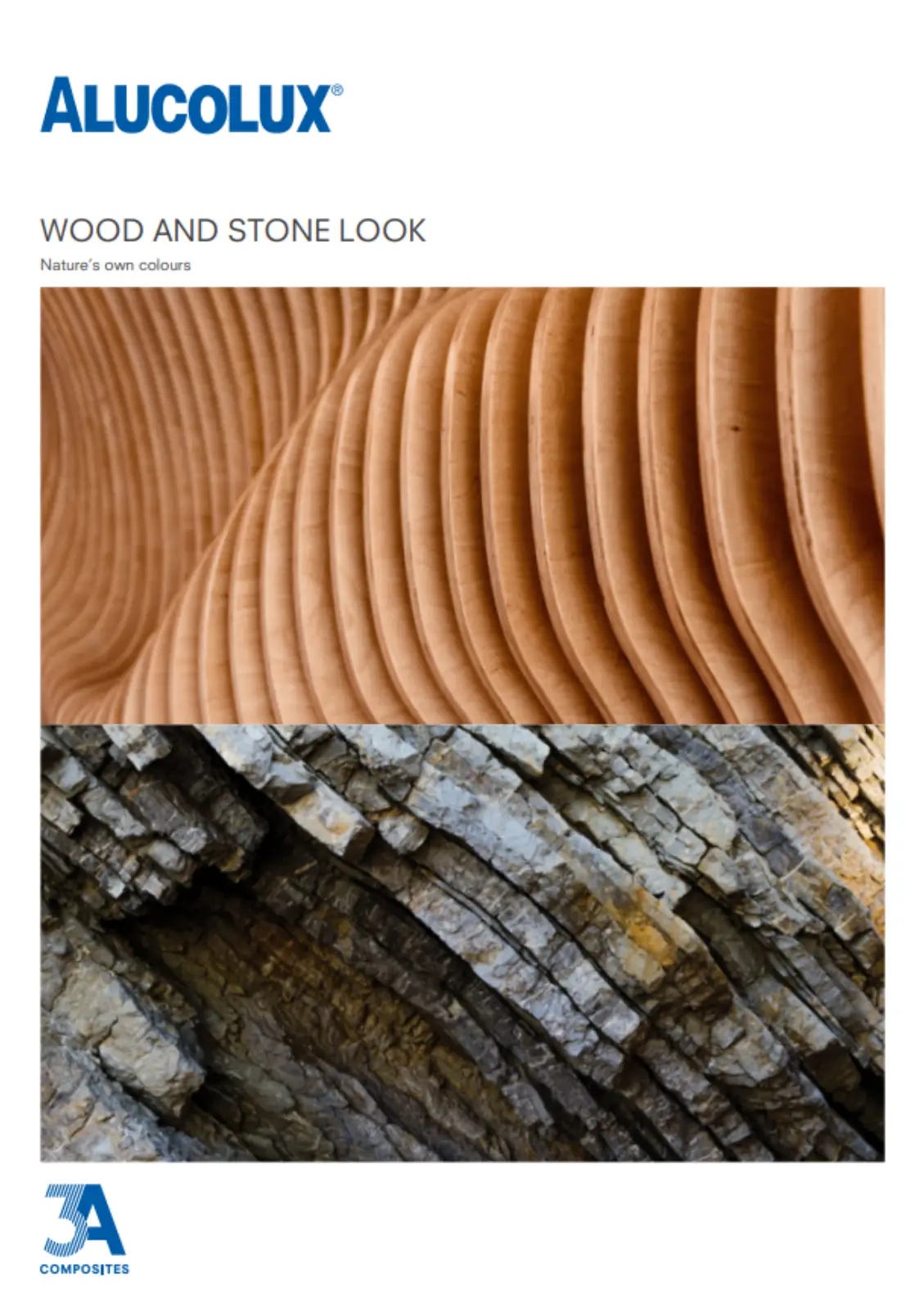
Unique patterns resembling the look & feel of a real wood and stone are also possible with ALUCOLUX® aluminium wall panels.
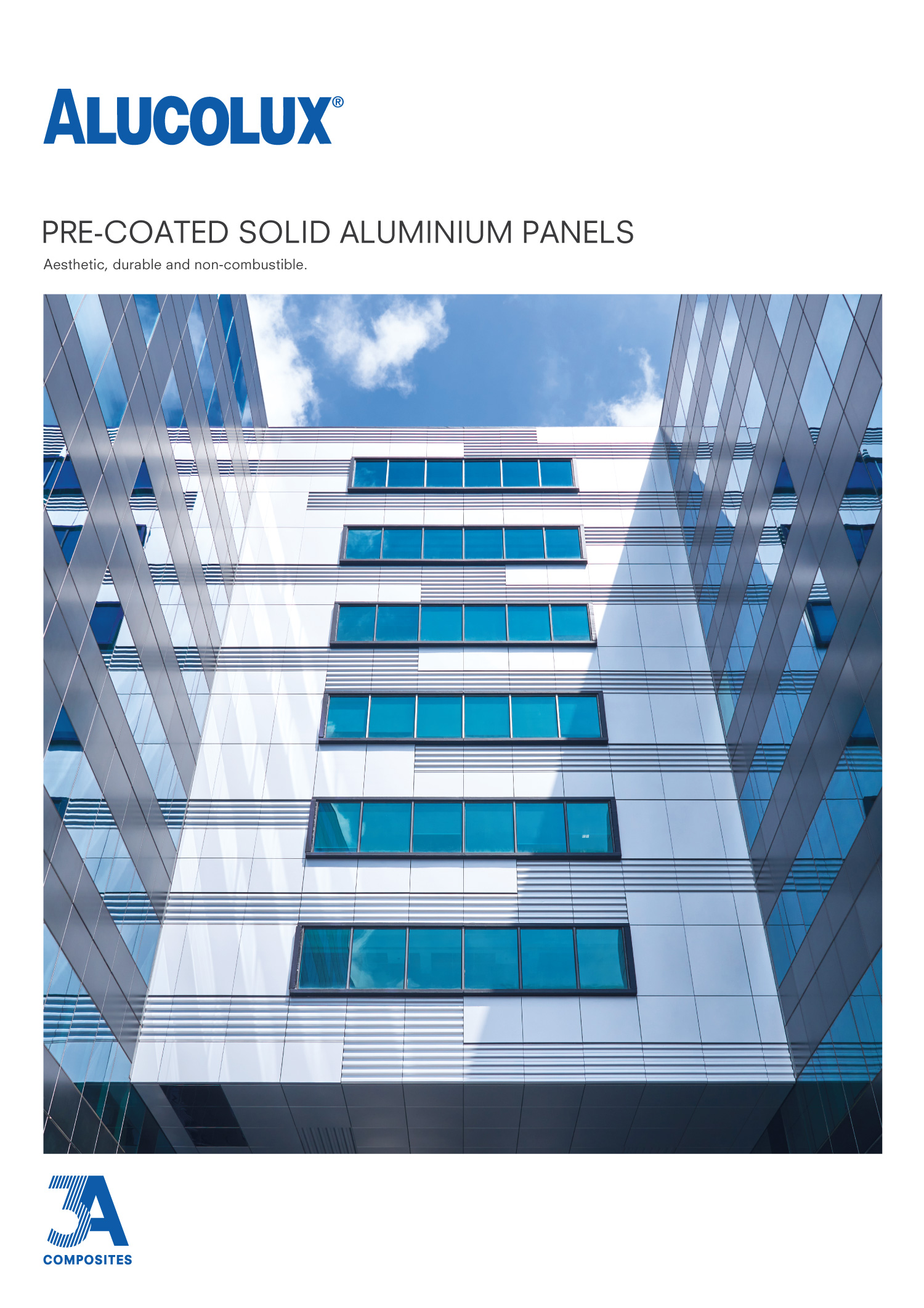
As an exterior and interior cladding panel, ALUCOLUX® offers versatility and durability in architectural applications. These lightweight and easy-to-install aluminium cladding panels are available in various textures and finishes making them an ideal choice for architects and consultants.
Due to its ability to withstand extreme weather, solar radiation and pollution, ALUCOLUX® is mainly used as an exterior cladding panel for facades and soffits.
They can also be used as interior cladding panels for accent walls, column cladding and decorative ceilings that add sophistication to any space. Because of these qualities, ALUCOLUX® is widely preferred for aluminium wall cladding in modern architectural projects.
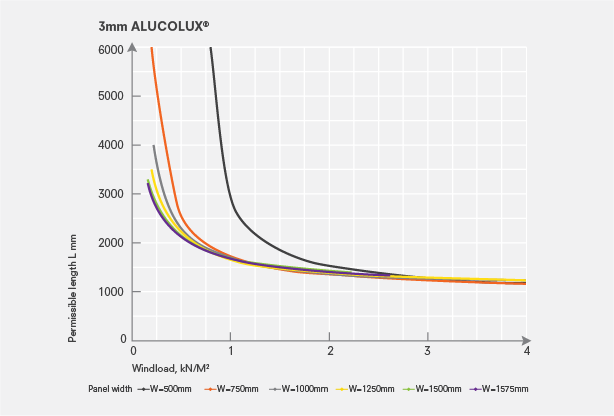
When designing and selecting cladding systems for buildings, understanding wind load and permissible panel sizes is important to ensure structural stability and longevity. Wind loads affect façade cladding, especially in high-rise buildings, based on their size, support system, and exposure conditions.
The diagram indicates the available range of panel sizes and permissible range lengths at a given panel width, depending on the wind load applied.
The diagram apply to panels supported on four sides (corners fixed). Dimensional values for other systems are available on request. Considering these factors is crucial when selecting and installing aluminium cladding sheets to achieve a safe and long-lasting facade.
The LEED program has gained much recognition over the past several years and is now the premier sustainability design tool in the building industry. LEED focuses on constructing buildings that have minimal impact on the environment during construction and occupation and acknowledges using recycled materials is an essential part of reducing environmental deterioration.
| Material | Thickness (mm) | Weight kg/m2 | Recycled% Pre-Consumer | Recycled% Post Consumer | LEED Contribution (1.0 x Post + 0.5 x Pre) |
|---|---|---|---|---|---|
| ALUCOLUX® | 3 | 8.1 | 20% | 20% | 30% |
Traditionally, the solid aluminium panels used for facade cladding are manufactured using the post-painting system, where mill-finished aluminium is first fabricated and then put through a batch-coating process with a spray or powder coating method. The batch coating is done under a less controlled environment compared to the highly industrial coil-coating process.
Batch-coating of aluminium cladding panels leads to an inconsistent thickness of the paint layer across the surface, resulting in colour inconsistencies. These do not qualify as non-combustible due to the thick paint layer on the panel surface. Such aluminium wall panels are usually classified as A2 and not A1, as per the EN 13501-1 test standard. They also face limitations in panel sizes, the variety of colours and surface finishes, thereby limiting designers’ choices. Moreover, there are 2 to 3 different vendors involved in getting the final product ready, resulting in a split accountability towards quality.
On the other hand, pre-coated aluminium panels have become a popular choice among architects and interior designers for interior, exterior and facade cladding because of several benefits they offer. The robust performance and modern aesthetic of aluminium wall cladding is widely used in commercial, residential and industrial buildings, offering excellent fire safety and durability, making it suitable for offices, factories, shopping malls and educational institutions. As a result, ALUCOLUX® serves as a trusted material for solid aluminium cladding, offering excellent fire resistance, sustainability, and easy installation.
We provide Aluminium panels in Australia, New Zealand, South Korea, Thailand, Singapore and worldwide. We proudly supply premium aluminium panels to projects worldwide, enhancing both beauty and functionality.

The high-quality PVDF/FEVE coating is applied through a continuous industrial-grade coil-coating process conforming to stringent AAMA (American Architectural Manufacturer’s Association) 2605 performance specifications and ECCA (European Coil Coating Association) guidelines.
The alloy and temper used in the manufacturing of ALUCOLUX® solid aluminium panels are specifically chosen to ensure that the finished product has perfect flatness, which is crucial for aluminium cladding and facade systems.

A non-combustible solid aluminium panel that has passed a larger system test BS 8414-1 and is classified as A1 as per EN 13501-1 test standard. This enables architects to offer non-combustible cladding solutions that could meet the most stringent fire safety requirements.

ALUCOLUX® aluminium wall cladding panels are available in a diverse range of metallic, solid and vibrant colours. Additionally, these pre-coated coloured aluminium sheets offer unique finishes such as embossed stone and wood look, further enhancing the aesthetic appeal and design versatility of any architectural project.

ALUCOLUX® is a solid and rigid aluminum panel, yet highly formable.

ALUCOLUX® is 100% recyclable material.

You get support from 3A Composites team in recommendation and designing of appropriate fixing systems or any other necessary assistance.

ALUCOLUX® comes with a 15-year warranty.*
(*Terms & conditions
apply)
ALUCOLUX® solid aluminium panels are engineered for precision and versatility, offering exceptional performance for both interior and exterior cladding applications. These aluminium cladding panels can be custom-fabricated through our Value Added Services to suit various shapes and dimensions.
ALUCOLUX® solid aluminium panels are rigorously tested to meet international standards for wind load resistance, thermal movement, and structural integrity. Their durability and stability make them a preferred choice for modern aluminium wall and facade cladding systems used in commercial, residential, and institutional buildings.
We offer aluminium cladding panels in a variety of surfaces and finishes, commonly used for aluminium cladding applications. These panels are suitable for a wide range of applications, including aluminium cladding and facade applications. With options available in metallic, gloss, matte, and brushed textures, they merge durability with visual elegance.
Black 326
Anthrazit grey 105
Fashion grey 460
Light grey 104
Biege 103
Cream 102
Pure White 10 100
White 16 101
Download ALUCOLUX® World of Colors Brochure with shades.
For exact colour matching, please request the original colour shades.
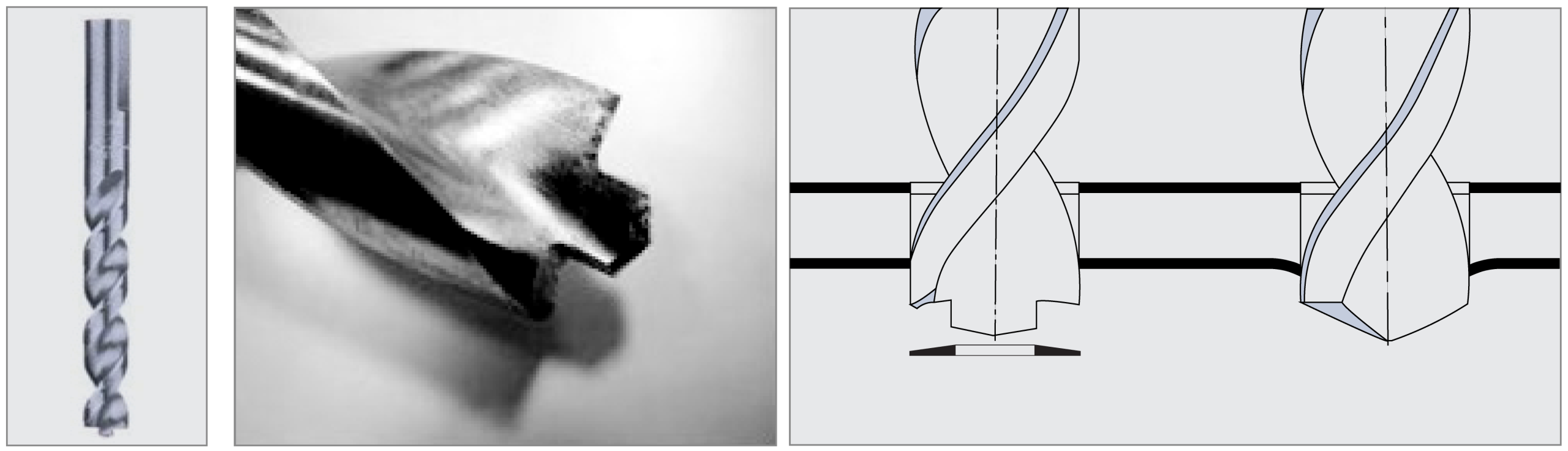
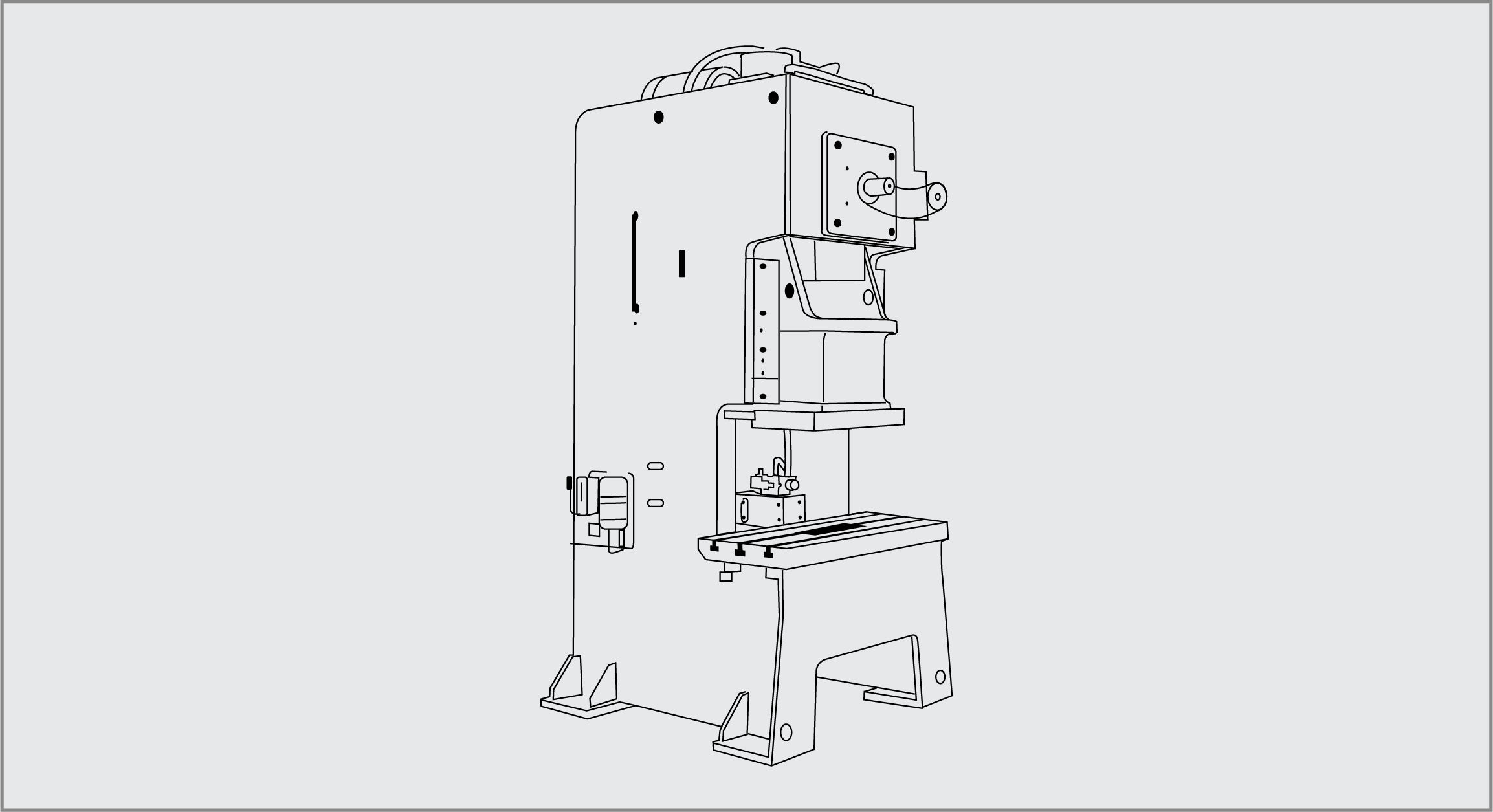
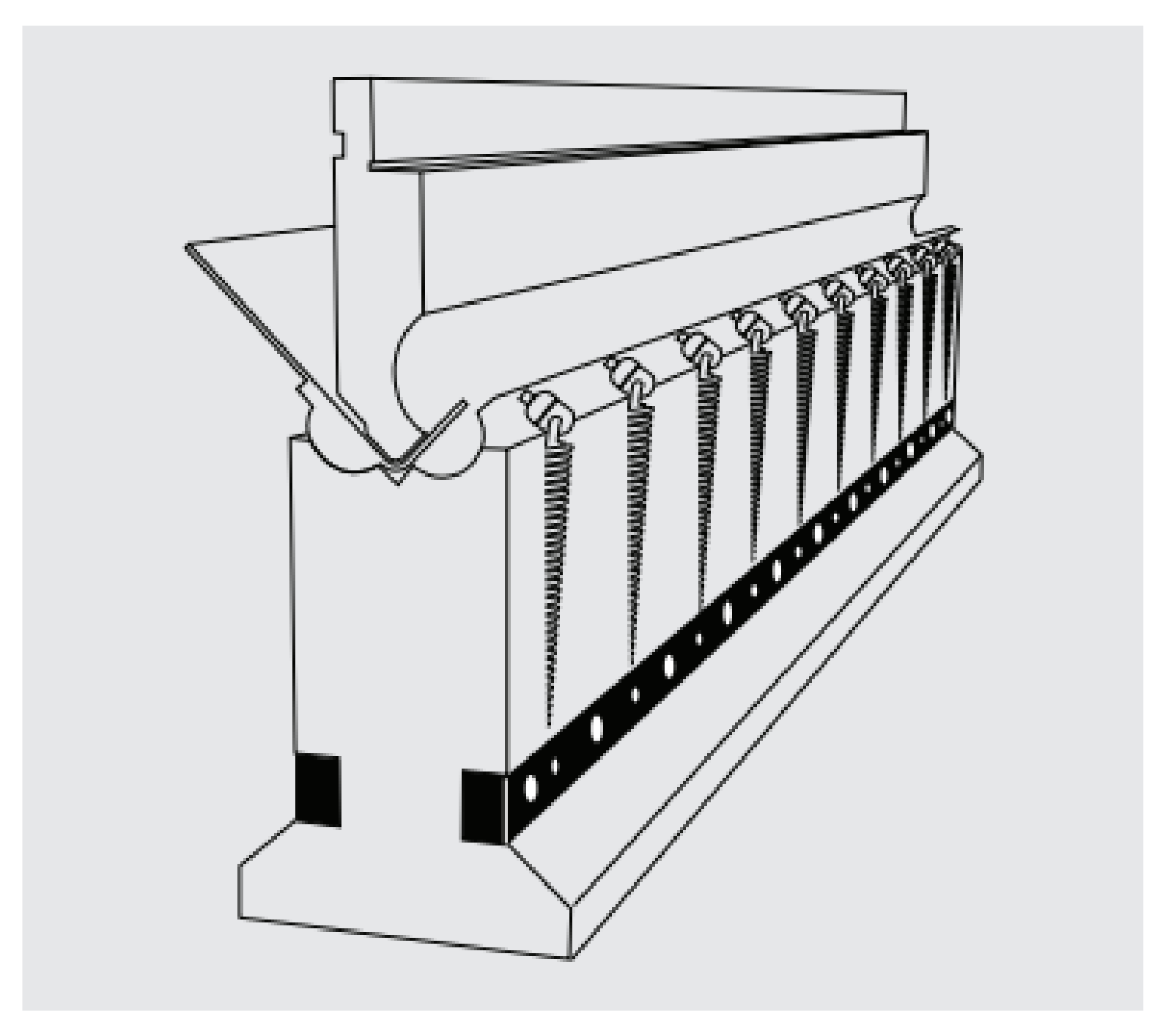
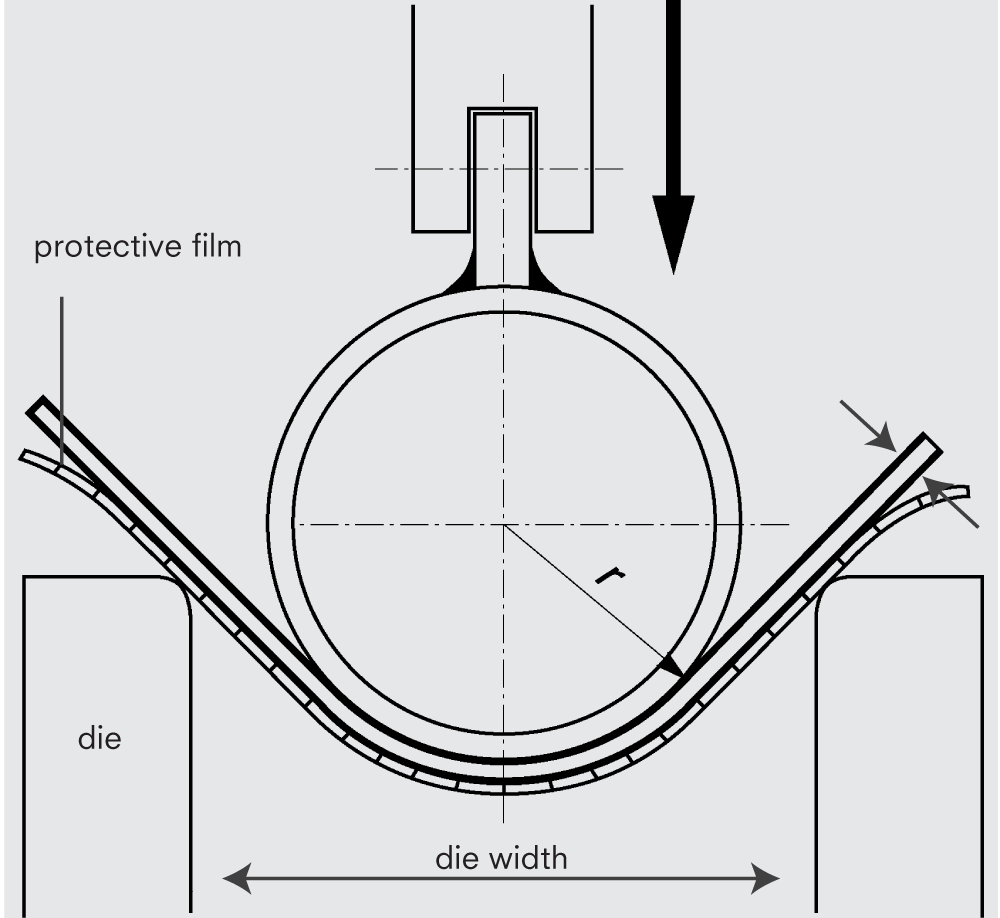
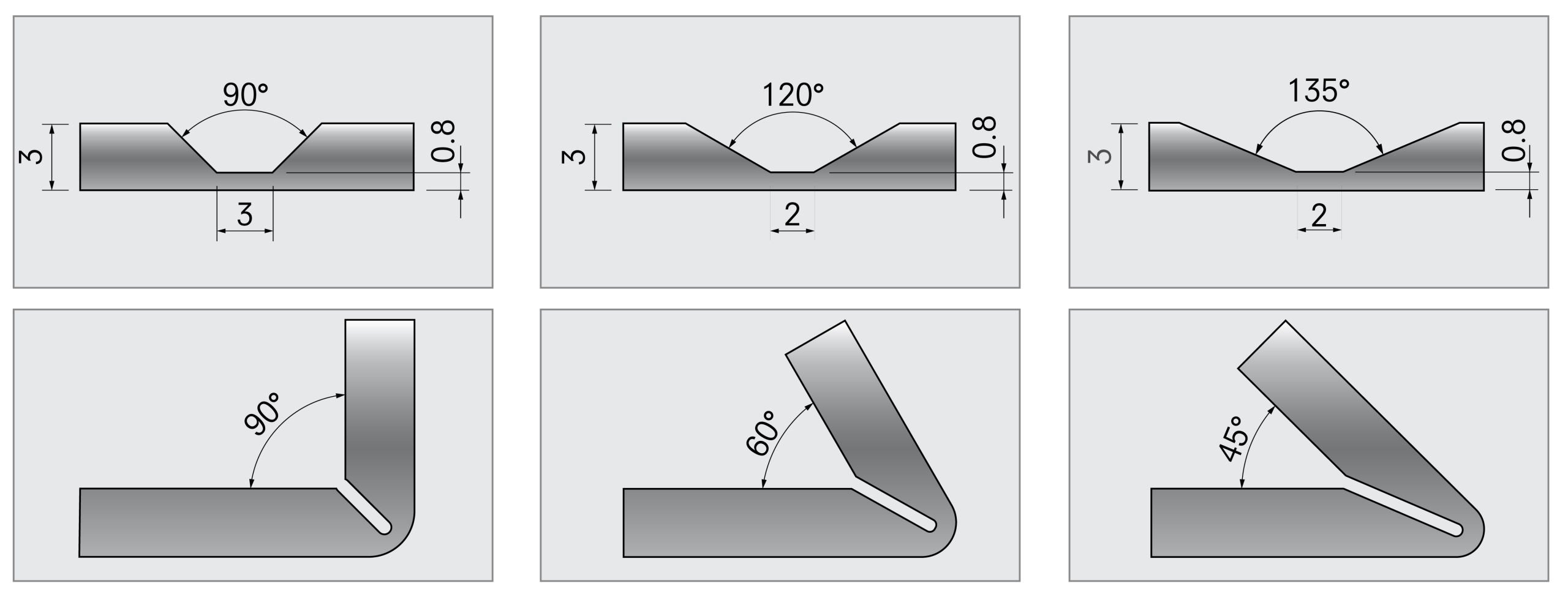
Purpose: The V-Groove is routed on the rear of the ALUCOLUX® sheet to form a tray panel.
Tool: V-Shaped Milling Cutter — 90°/120°/135° bits
Annual cleaning is recommended. The surfaces should be cleaned either manually using a soft brush or using a high-pressure cleaner (max. 50 bar) with clean water. If necessary, a mild cleaning agent (pH 6-7) may be added, up to a maximum of 10%.
Cleaning should take place from top to bottom. After cleaning, rinse with water to remove any residue that could be left behind by a cleaning agent.
Do not clean surfaces heated by the sun (>40°C). Do not use highly alkaline cleaning agents such as potassium hydroxide, sodium carbonate or caustic soda, any strong acid products or highly abrasive cleaning agents such as household cleaning products that could corrode the paint.
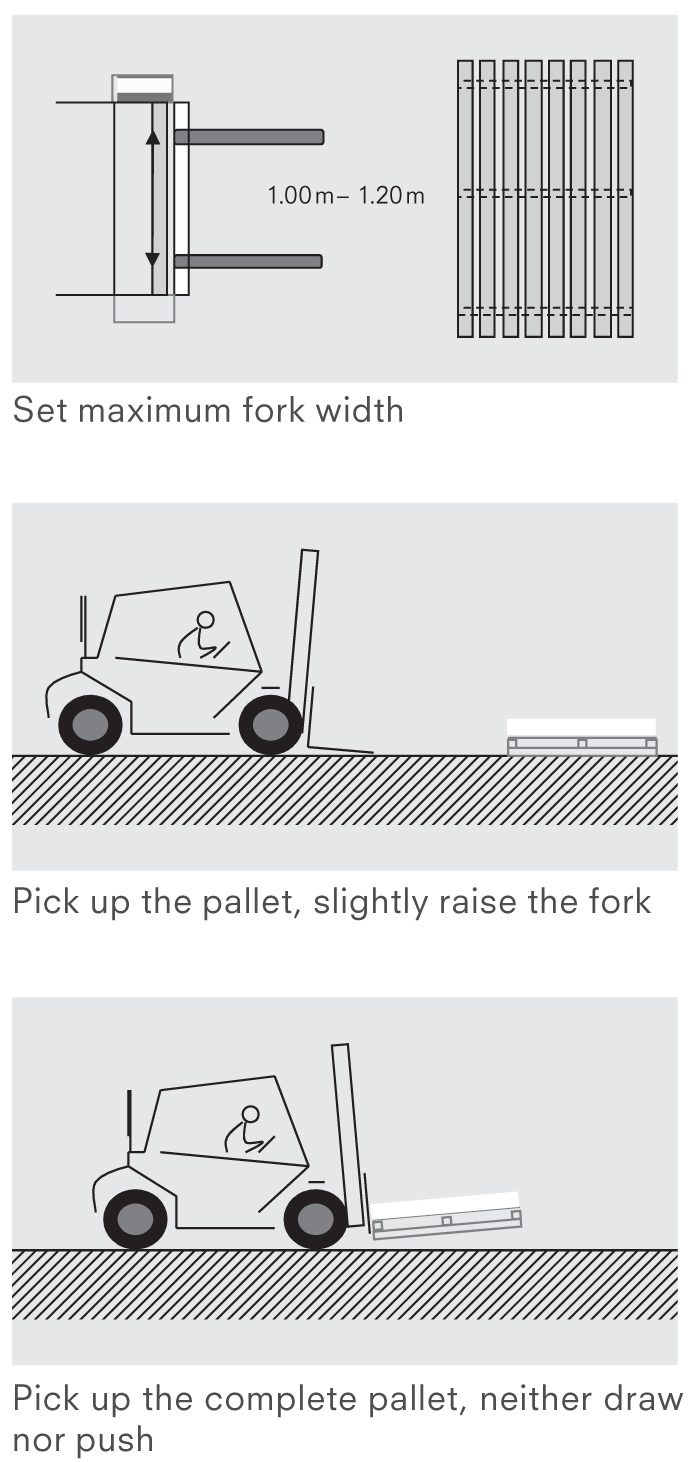
To protect ALUCOLUX® pre-coated solid aluminium panels from mechanical damage and weather, please follow the instructions thoroughly:
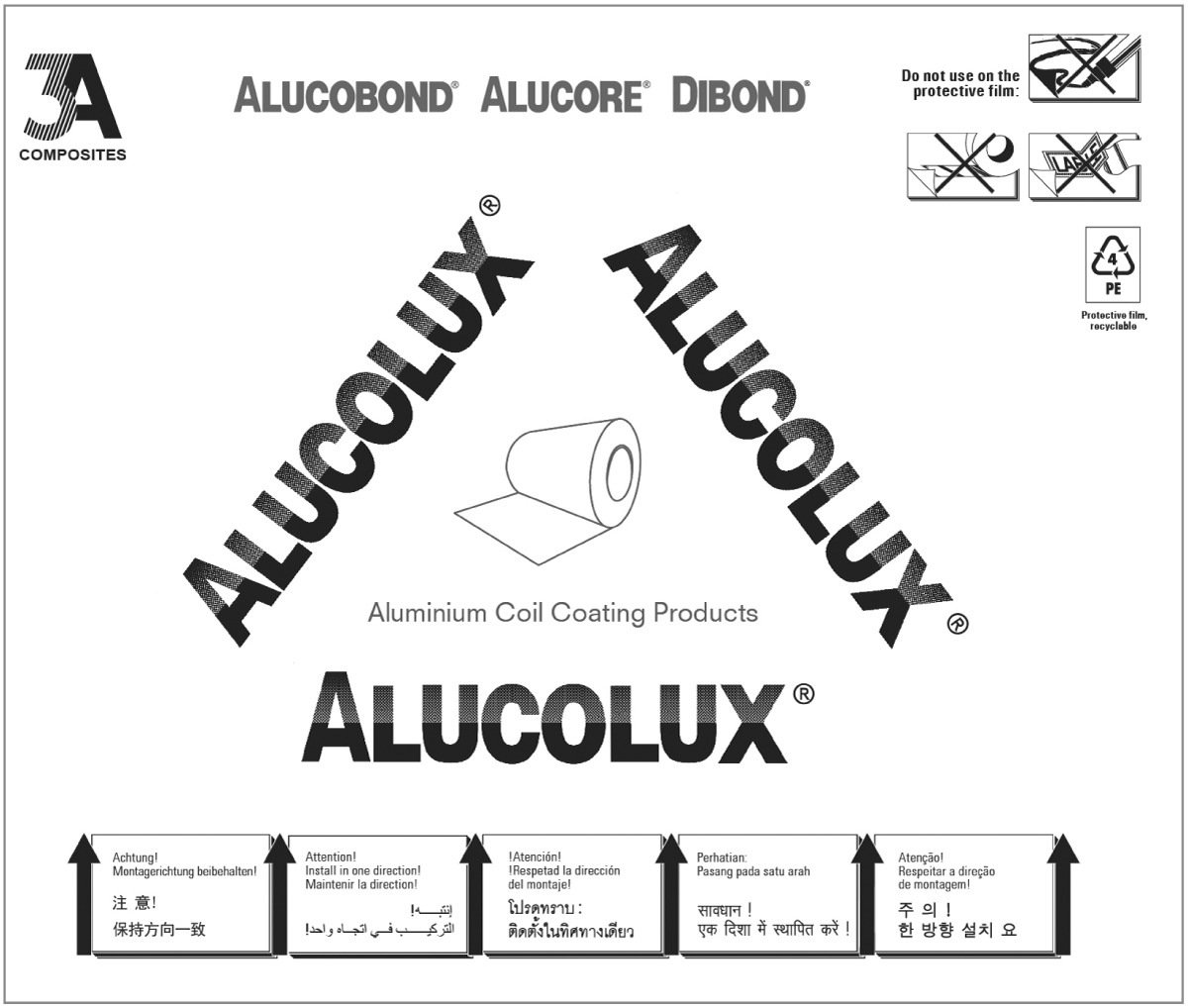
To ensure optimum care from the protective film please follow the instructions thoroughly:
| TECHNICAL PROPERTIES | STANDARDS | COIL-COATED |
|---|---|---|
| Alloy | EN 573-3 | 3003 |
| Temper | EN 515 | H24 |
| Standard Thickness* | EN 485-4 | 3mm |
| Standard Widths** | EN 485-4 | 1000mm, 1250mm, 1500mm, 1575mm |
| Standard Length | EN 485-4 | <= 6000mm |
| Panel Weight | 8.1 Kg/m² | |
| Tensile Strength | EN 485-2 | 145-185 Mpa |
| Modulus of Elasticity | EN 485-5 | 70,000 N/mm² |
| Yield strength Rp0.2 | EN 485-2 | >= 115Mpa |
| Elongation | EN 485-2 | A50 >= 6% |
| Linear Expansion | EN 1999 1-1 | 2.4 mm/m at 100° C temperature difference |
| Surface | PVDF/FEVE | |
| Gloss | EN 13523-2 | 25~40% |
| Coating Thickness*** | 28-45 microns | |
| Fire Classification |
EN 13501-1 AS 3837 AS 1530.3 AS 1530.1 BS 8414-1 |
A1 Group 1 as per AS 5637.1 PASSED 0 (ignitibility) 0 (flame spread) 0 (heat evolved) 2 (smoke development) PASSED PASSED |
* Other thicknesses available on request.
** Custom widths available on request.
*** Coating thicknesses varies for different surface finishes.
The Facade cladding work done with aluminium is lightweight, durable, and resistant to corrosion, which enhances the beauty and performance of modern buildings. It is available in various finishes, allowing architects to achieve a sleek, contemporary look while ensuring long-term protection against environmental elements.
For exteriors, aluminium wall cladding forms a protective and decorative layer over the building. It is composed of aluminium sheet fixed on the substructure of aluminium, which in turn is fixed to the building’s structure. It acts like an envelope over the building, protecting it from the environmental elements. It is also known as a rainscreen. It improves durability, weather resistance, and adds to the overall attractiveness of the building. Pre-coated aluminium wall cladding panels such as ALUCOLUX® comes in a variety of surface finishes, making them excellent for modern architectural projects.
With ALUCOLUX® you do not have to worry about cracks on the edges because we use the highest grade of PVDF or FEVE paint on continuous coil coating line.
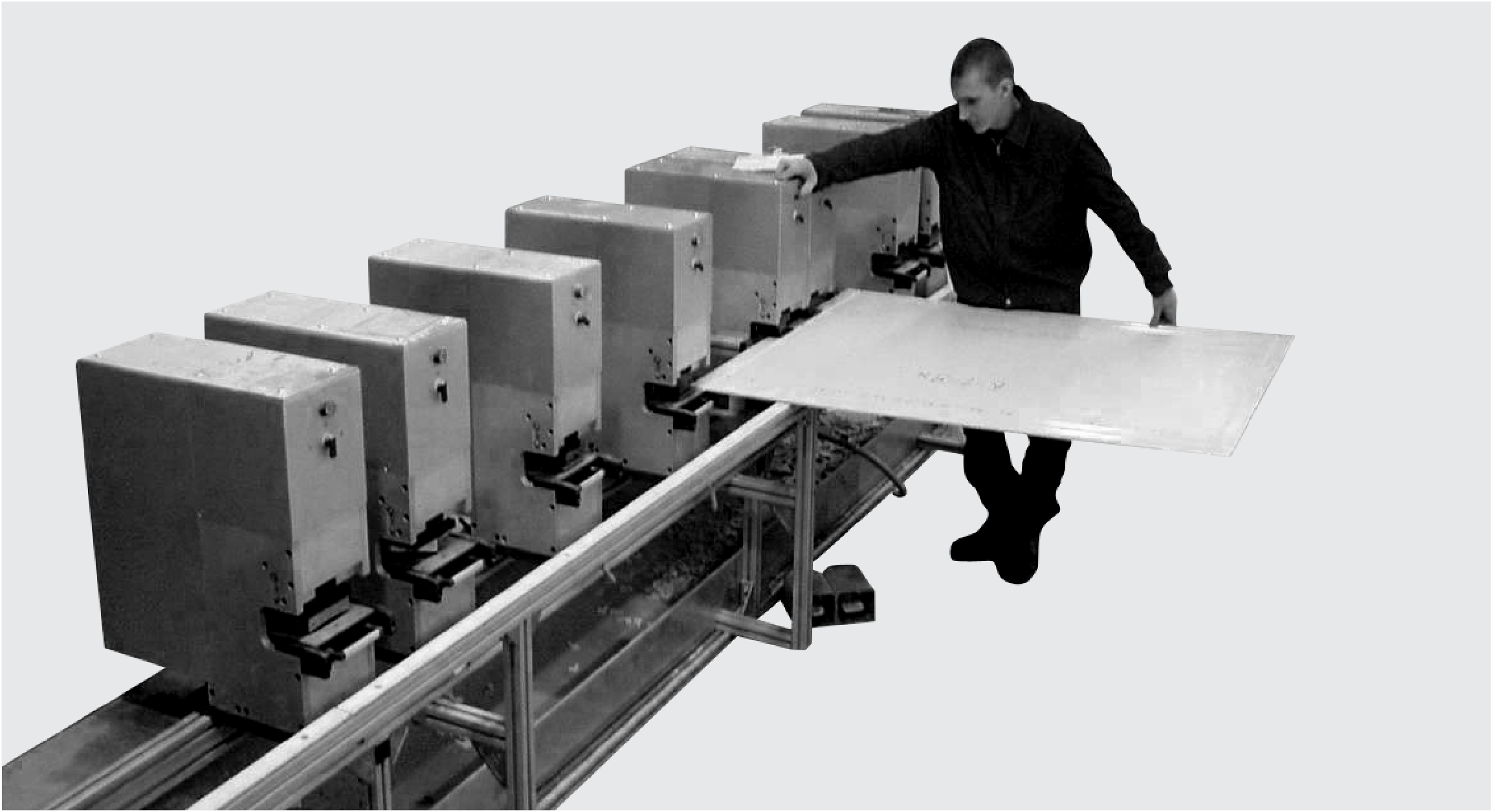
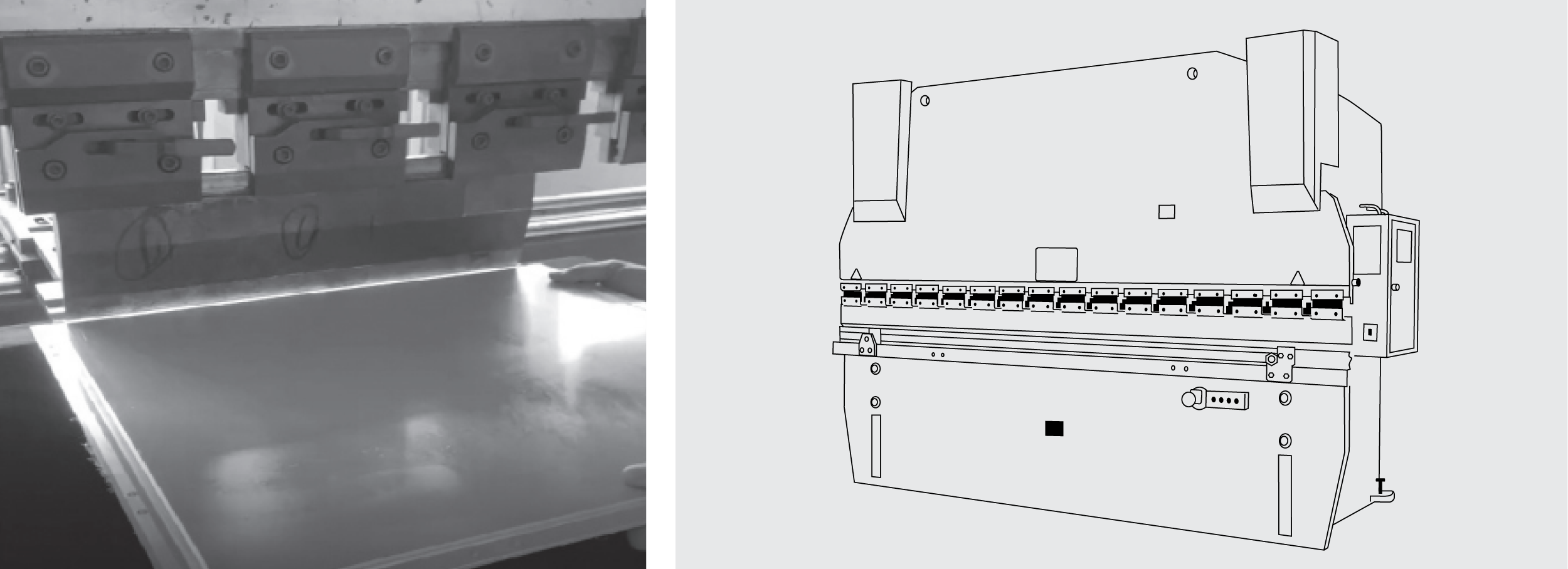
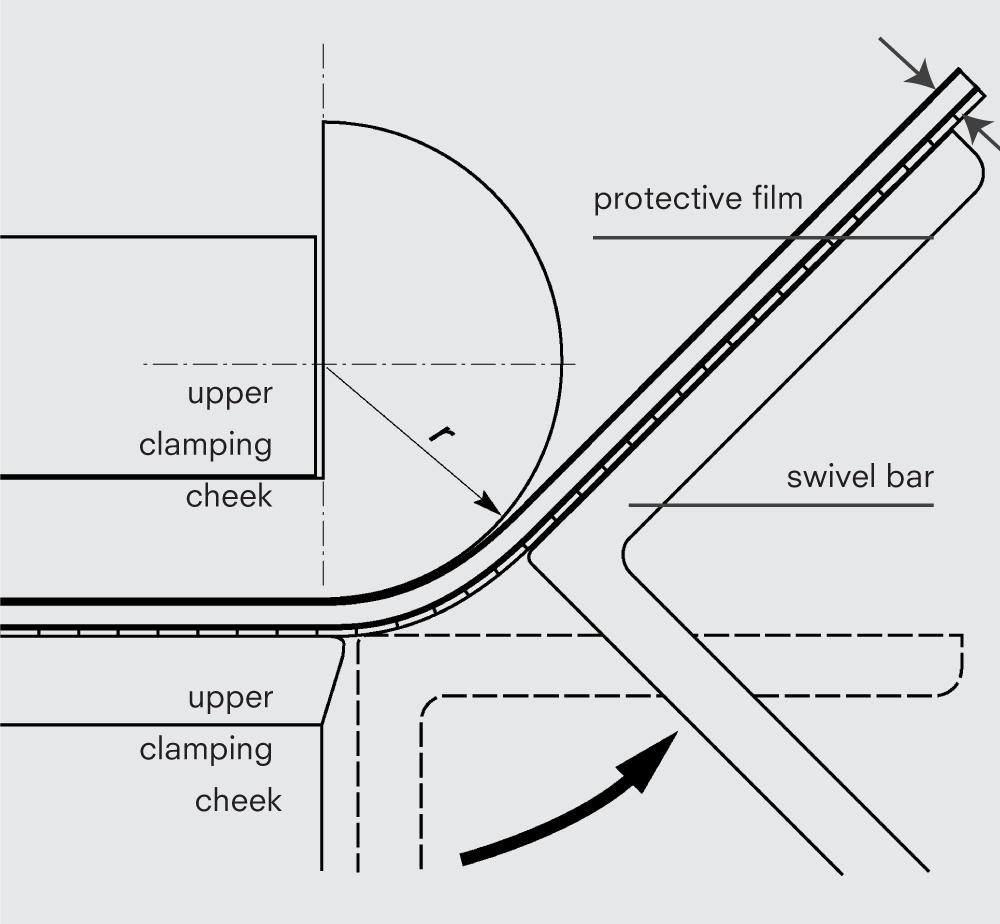
There is no need to weld ALUCOLUX® panels. We can provide technical support on how to route and fold these panels or provide semi-fabricated (M2M) panels or fully-fabricated (R2I) panels from our plant.
Yes. ALUCOLUX® comes with a 15 years product and surface warranty*.
Yes you can. Kindly refer to our processing guide or contact our representative for more information or assistance.
On a 3mm panel the routing should be ideally between 1.5mm to 2.3mm. On a 2mm panel the routing should be ideally between 1mm to 1.3mm. See our processing guide for more details.
Aluminium cladding panels offer numerous benefits such as:
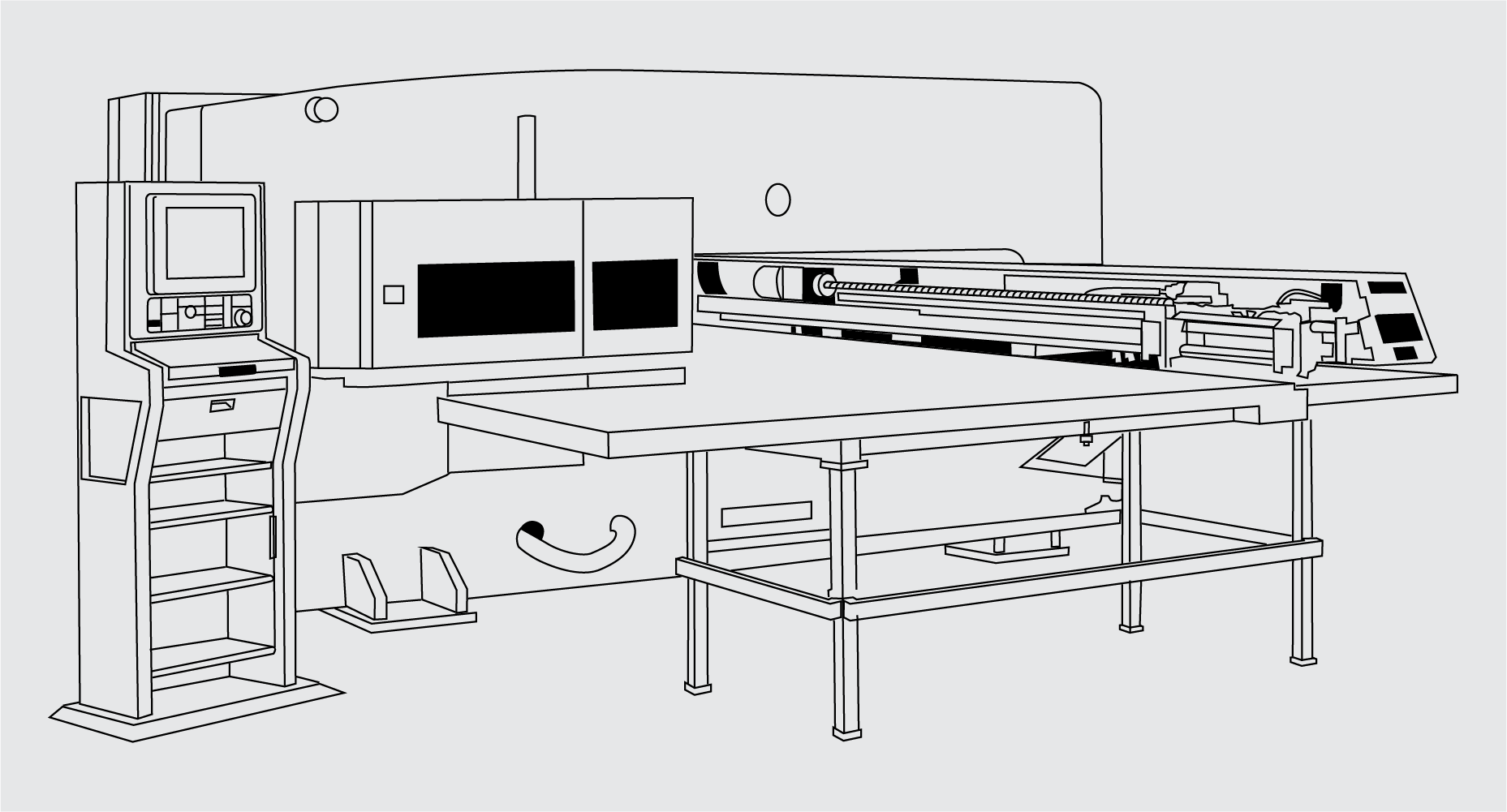
We do offer customised solid aluminium panels tailored to meet unique architectural requirements. Through our Value Added Services we don’t only customize the colour but also offer Made to Measure Panels (M2M) and Ready to Install Panels (R2I).
There is no fixed lifespan for aluminum cladding. The lifespan depends on a few factors, such as quality of material, coating & finishing, installation quality, environmental factors, etc. When aluminium is high quality, with the correct alloy composition and thickness, the cladding is bound to last longer. They should also be installed professionally, with precision. Improper installation of the aluminium cladding panels can lead to issues like water infiltration, thermal expansion, and other problems. The environment the aluminium cladding is exposed to also determines its durability. Reputable manufacturers offer a wide range of warranties. Some offer warranties of about 20 to 30 years.
Both types of cladding have their own strengths; it isn’t that one is better than the other. Aluminium cladding may be better for projects that prioritize lightweight design, resistance from corrosion, and flexibility of design. These cladding panels are also easy to install. Steel cladding, on the other hand, may be more suitable for projects that require exceptional strength, heat resistance, and high-impact resistance. The “better” of the two depends on the type of project for which you need them, considering the design requirements, budget constraints, and environmental conditions.
 Download PDF file [2.67 MB]
 Download PDF [756 KB]