India
 Africa
 Americas
 Europe
 Middle East
ACP Panel Thickness Guide: 3mm vs 4mm vs 6mm – Which One Should You Choose?
- Home
- /
- Blog
- /
- ACP Panel Thickness Guide
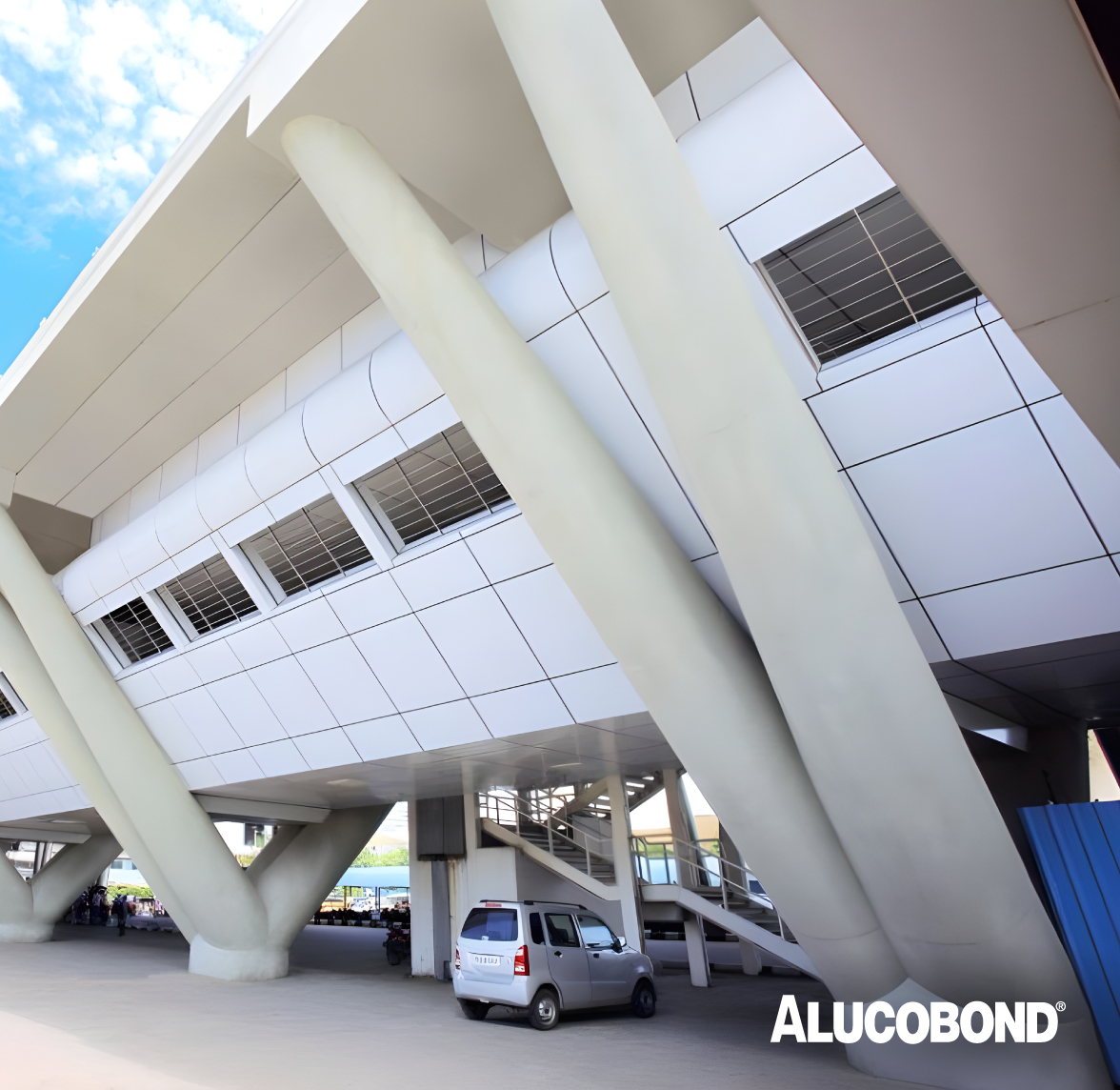
When choosing an Aluminium Composite Panel (ACP) for a building, it is natural to start with colours, finishes and designs. But another important decision can influence the performance and suitability of the panel: its thickness.
ACP sheets are commonly available in different thicknesses, including 3mm, 4mm and 6mm. While the difference may seem small, ACP panel thickness can affect rigidity, weight, handling and the applications in which the panel can be used.
So, is a 4mm ACP sheet always better than a 3mm sheet? Is 6mm necessary for every exterior facade?
The answer is: not necessarily.
The right ACP thickness depends on the application, the size of the panels, the building and the requirements of the facade.
Let us understand the differences.

What Does ACP Panel Thickness Mean?
ACP is a composite material made by bonding aluminium skins to a core. When we refer to a 3mm, 4mm or 6mm ACP sheet, we are talking about the overall thickness of the finished panel.
A thicker panel generally provides greater rigidity, but it also weighs more. Therefore, choosing an ACP panel is about finding the right balance between performance, weight, application and design requirements.
For example, the standard ALUCOBOND® range is available in 3mm, 4mm and 6mm thicknesses.
3mm ACP Sheets: Lightweight and Versatile
3mm ACP panels are lighter than their thicker counterparts, making them relatively easy to handle, cut and fabricate.
Their lightweight nature can be useful in applications where weight and ease of handling are important considerations.
However, the suitability of 3mm ACP depends on the application and the design of the complete system.
Rather than assuming that a thinner panel is suitable for a particular application, it is important to consider factors such as:
- Panel size
- Application
- Building conditions
- Support system
- Design requirements
Where can 3mm ACP be considered?
Depending on the product and project requirements, 3mm panels can be considered for applications where their characteristics meet the design requirements.
The key is to select the panel based on what the project needs, rather than simply choosing the lowest thickness available.
4mm ACP Sheets: A Popular Choice for Architectural Applications
When it comes to architectural ACP applications, 4mm is an important and widely considered panel thickness.
It offers a useful balance between weight, rigidity, fabrication and design flexibility.
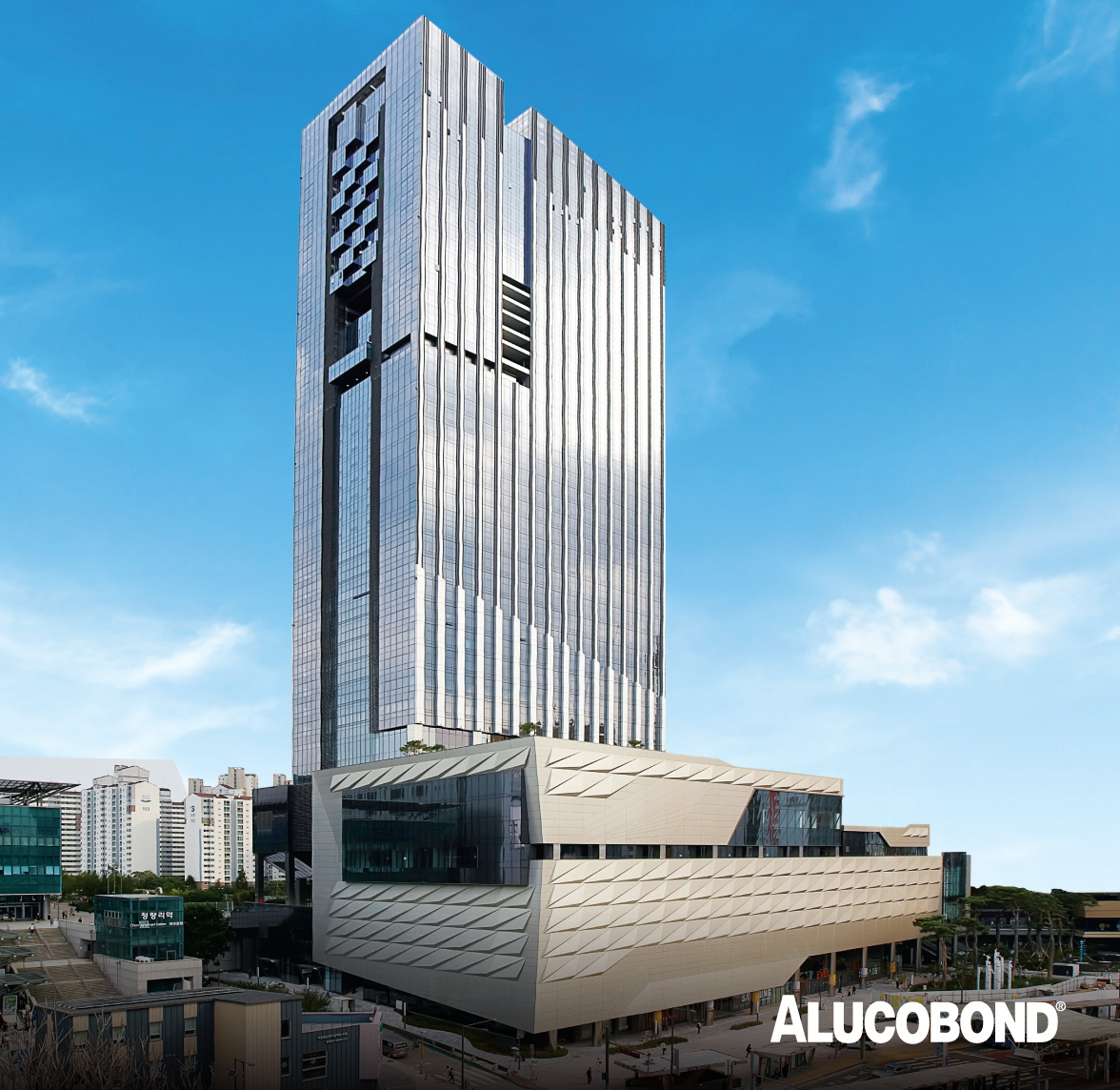
This makes 4mm ACP particularly relevant when creating contemporary building facades where panels need to combine aesthetics with the performance expected from an exterior cladding material.
ALUCOBOND® installation guidance recommends standard 4mm ACP panel thickness for facade applications, while the final selection should always take into account the specific project and facade design.
Why is 4mm ACP popular?
A 4mm panel can offer a practical balance between:
- Rigidity – providing greater stiffness than a thinner panel.
- Weight – remaining relatively lightweight compared with many traditional facade materials.
- Fabrication – allowing panels to be processed into different shapes and forms.
- Design flexibility – supporting a wide range of colours, finishes and facade concepts.
For architects looking for a versatile ACP solution for architectural applications, 4mm is therefore an important option to consider.
6mm ACP Sheets: When Greater Rigidity Is Required
Moving from 4mm to 6mm increases the overall thickness and rigidity of the panel. This can make 6mm ACP relevant for applications where the project design calls for greater rigidity.
However, 6mm is not automatically the best choice simply because it is thicker. A thicker panel also means a heavier panel. Depending on the project, this can influence handling, fabrication and the supporting system.
Therefore, 6mm should be considered where the application and design requirements justify the additional thickness.
The objective is not to choose the thickest ACP sheet available. It is to choose the right ACP sheet for the right application.
3mm vs 4mm vs 6mm ACP: A Quick Comparison
| Feature | 3mm | 4mm | 6mm |
|---|---|---|---|
| Weight | Lightweight | Moderate | Higher |
| Rigidity | Lower | Higher | Significantly higher |
| Handling | Easier | Balanced | Heavier |
| Design flexibility | High | High | High |
| Architectural applications | Application-dependent | Widely considered | Application-dependent |
| Exterior facade use | Project-specific | Important facade option | Project-specific |
| Best approach | Match to application | Balance performance and weight | Consider where greater rigidity is required |
Important: The suitability of any thickness depends on the selected product, application and project requirements.
Does a Thicker ACP Sheet Always Mean Better?
This is perhaps the most important thing to remember when selecting ACP. A thicker panel can offer greater rigidity, but that does not automatically make it the right choice for every project.
Selecting a material simply because it is the thickest available may result in more rigidity than the project requires while adding unnecessary weight.
On the other hand, choosing a thinner panel simply because it is lighter or more economical may not provide the characteristics required for a particular application.
The better approach is to consider the complete picture.
Ask these questions before selecting the thickness:
- Where will the ACP be used?
- What size will the panels be?
- Is it an exterior or interior application?
- What environmental conditions will the panels experience?
- What level of rigidity is required?
- What fixing and support system will be used?
- Does the project have specific fire-performance requirements?
These questions help move the decision from “Which thickness is best?” to “Which thickness is right for this project?”
What Should You Consider When Choosing ACP Thickness?
ACP thickness is only one part of the selection process.
1. Application
The first question is always: Where will the panel be used? Exterior facades, interiors, canopies, feature elements and signage may have different requirements.
2. Panel Size
The size of the individual panels can influence the choice of material and thickness. Larger panels may require different considerations from smaller panels.
3. Building Height and Conditions
A low-rise building and a high-rise building do not necessarily experience the same environmental conditions. Wind exposure, location and building height should therefore be considered during material selection.
4. Design and Appearance
ACP is often selected because it allows architects to create distinctive facades. The chosen thickness should work alongside the desired panel sizes, shapes, joints and overall design.
5. Fire Performance
For projects where fire safety is an important consideration, the core construction and fire classification of the product are critical. This is where selecting the right ALUCOBOND® product is as important as selecting the thickness. ALUCOBOND® PLUS, for example, features a mineral-filled fire-retardant core, while ALUCOBOND® A2 uses a mineral-filled core and is classified A2-s1, d0 according to EN 13501-1.
6. Installation System
The panel does not work independently. The supporting structure, fixing method, joints and overall facade system all contribute to the final performance. Learn more about common ACP installation mistakes and how to avoid them.
Thickness Is Not the Only Measure of Quality
When comparing ACP sheets, it can be tempting to look at one number: 3mm, 4mm or 6mm. But a high-quality ACP is much more than its overall thickness.
The aluminium skins, core, coating, manufacturing quality and consistency of the panel all matter.
For example, ALUCOBOND® uses advanced coating technologies including PVDF and FEVE, depending on the product and finish, helping architects achieve both aesthetic and performance requirements.
This is why ACP selection should look beyond thickness and consider the complete product specification.
How to Choose the Right ACP Thickness: A Simple Approach
If you are selecting ACP for a project, use this simple approach:
Start with the application
Understand exactly where and how the panels will be used.
Consider the building
Look at the building height, location and environmental exposure.
Think about panel size
The dimensions of the panels can influence the overall requirements.
Look beyond thickness
Consider the core, aluminium skins, coating and required performance.
Consider the complete facade system
Panel, substructure, fixing and installation details all work together.
Check the manufacturer's recommendations
Always refer to the technical information provided for the specific ACP product before finalising the specification.

Why 4mm ACP Is an Important Option for Facades
Among the different thicknesses available, 4mm has become an important specification option for architectural facade applications because it offers a practical balance between rigidity, weight, fabrication and design flexibility.
For projects using ALUCOBOND®, 4mm is available across key product ranges including ALUCOBOND® PLUS, ALUCOBOND® A2, ALUCORE® and ALUCOLUX®.
However, the final choice should always be based on the requirements of the project rather than a general thickness rule.
Choosing the Right Thickness Means Choosing for the Project
There is no single ACP thickness that is perfect for every application.
- 3mm may be appropriate where lightweight construction and the application requirements allow it.
- 4mm provides a widely considered balance for architectural applications and is an important option for facade projects.
- 6mm can be considered when greater rigidity is required and the additional weight is appropriate for the project.
The important point is to avoid choosing ACP based on thickness alone.
A well-designed facade considers the panel, core, coating, dimensions, fixing system, environmental conditions and performance requirements as one complete system.
Conclusion
ACP panel thickness is an important part of making the right material choice, but it is only one part of the decision.
Whether you are considering 3mm, 4mm or 6mm ACP sheets, the right choice depends on what the building and facade actually require.
For architects and facade professionals, the goal should not simply be to choose a thicker panel. It should be to select a panel that provides the right combination of performance, weight, durability, design flexibility and application suitability.
With the right product and the right specification, ACP can help transform a building facade into a combination of architectural expression and long-term performance.
Because when it comes to ACP, the right thickness isn't about choosing more. It's about choosing right.